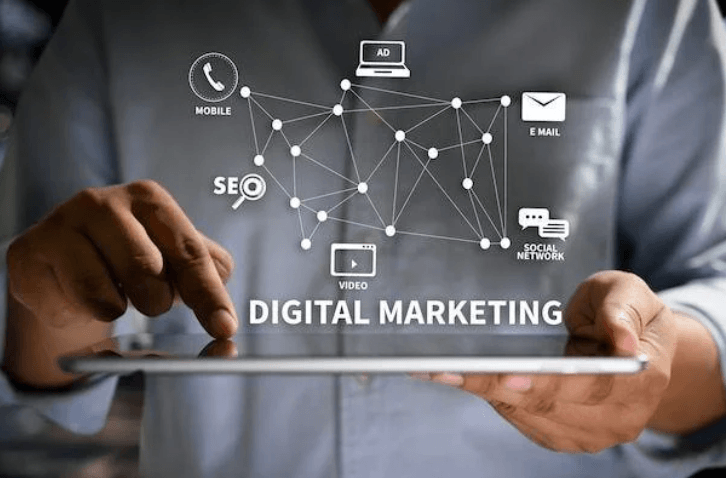
A strong digital marketing strategy starts with clear objectives. Rather than trying to increase every metric at once, small businesses should identify specific priorities such as generating enquiries, increasing online sales, building brand awareness or improving customer retention. Working with a digital marketing agency for small businesses can help turn broad ambitions into measurable targets, but the strategy should remain aligned with the company’s resources and market.
Understand the Target Audience
Effective marketing depends on knowing who you are trying to reach. Businesses should identify their customers’ needs, preferences, purchasing habits and challenges. Creating simple audience profiles can make decisions about messaging, platforms and content more focused. Customer reviews, website analytics, surveys and social media interactions can provide insights without requiring expensive research.
Build a Useful Website
A business website serves as the foundation of its digital presence. It should be easy to navigate, mobile-friendly and designed around what visitors need to know before taking action. Clear product information, straightforward contact options, content and fast loading times can improve the experience. Search engine optimisation should also be considered so that customers can discover the website through organic search.
Choose the Right Channels
Small businesses do not need to maintain an active presence on every platform. The better approach is to identify where their target audience spends time and concentrate resources there. Depending on the business, this could include search engines, social media, email marketing or online communities. Consistency is more valuable than being present everywhere.
Create Content With Purpose
Content should answer questions, solve problems or demonstrate expertise rather than exist solely to fill a publishing schedule. Blog articles, short videos, guides, case studies and social posts can support stages of the customer journey. A content calendar can help maintain consistency while allowing businesses to respond to seasonal trends and changing customer interests.
Measure and Improve Performance
Digital marketing becomes more effective when businesses review performance. Metrics such as website traffic, conversion rates, engagement, cost per lead and customer acquisition can reveal what is working. Testing headlines, offers, landing pages and creative formats can gradually improve results without requiring a complete change in strategy.
Keep Spending Sustainable
A sensible budget should reflect business goals, expected returns and resources. Small businesses can begin with focused campaigns and increase spending when there is evidence of consistent performance. Separating experimental budgets from reliable channels can reduce risk and make financial decisions easier to evaluate.
See also: Challenges in Enterprise Knowledge Retention
A Practical Approach from SpeedX
SpeedX reflects the importance of combining digital activities rather than treating each channel separately. For small businesses, this means considering how content, search visibility, social engagement and paid campaigns can work towards the same objectives. The most useful strategy is one that can be measured, adjusted and maintained over time.
Conclusion
Sustainable digital growth rarely comes from a single campaign or platform. It requires clear goals, relevant communication, content and evaluation. By focusing on channels and activities that genuinely support their customers, small businesses can make better use of limited resources. A thoughtful digital marketing agency for small businesses can provide strategic guidance while helping businesses build an approach that evolves as their needs and markets change.